Services
Vision therapy
A guided training program that teaches your eyes to team, track, and focus — with progress you can measure.
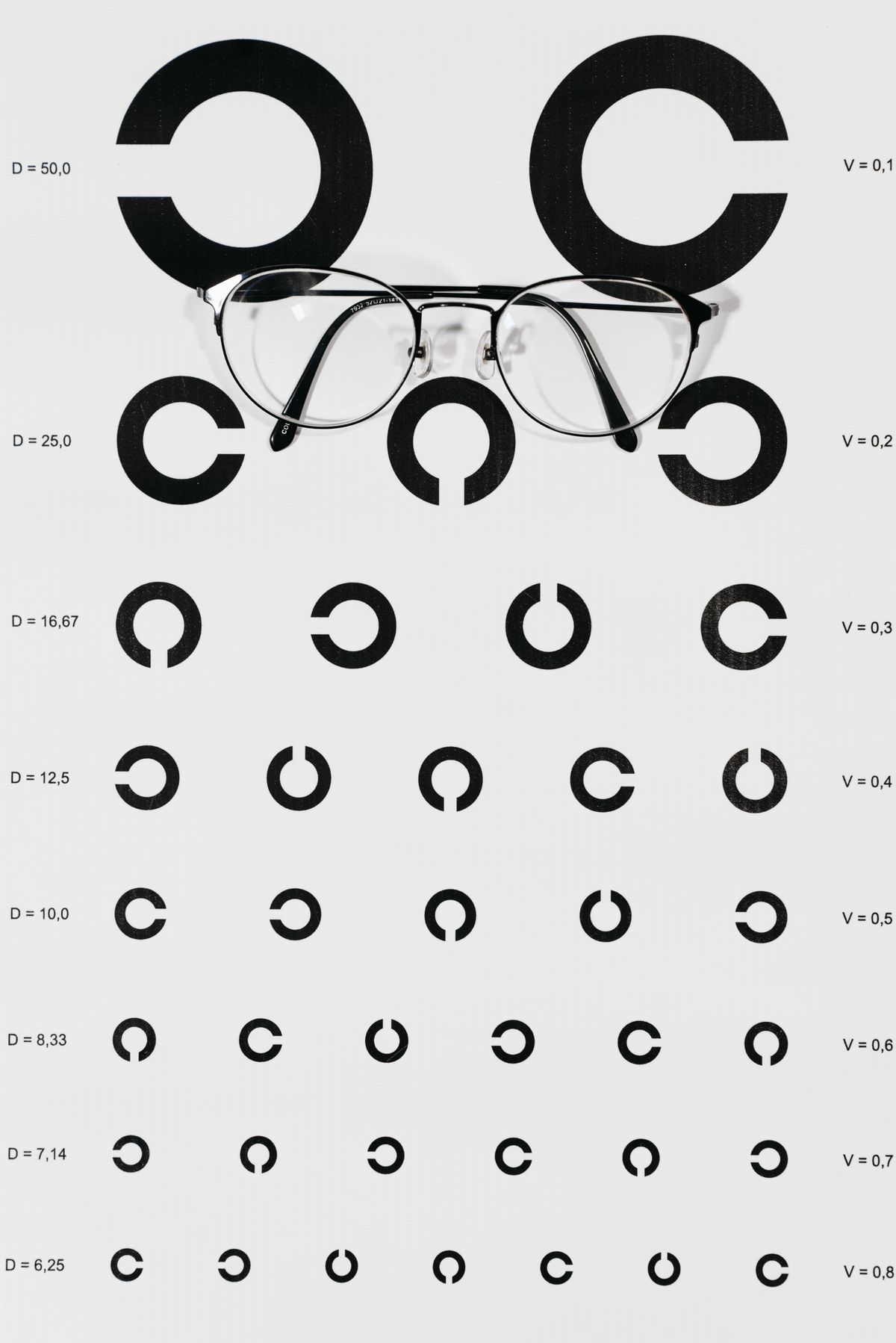
Training, not just testing
Glasses sharpen the image; therapy improves how the brain uses it. Under Dr. Amelia Brooks, patients work through weekly in-office sessions plus short home exercises targeting convergence, tracking, lazy-eye support, and visual stamina after concussion.
- Full binocular workup before any program begins
- Weekly 45-minute sessions with a dedicated therapist
- Measured progress reviews every six sessions
Who therapy helps
Reading strain & headaches
For children and adults whose eyes tire, words swim, or attention slips after a page or two of reading.
Lazy eye & eye turns
Structured support for amblyopia and intermittent strabismus, coordinated with your ophthalmologist where needed.
Post-concussion vision
Rebuilding tracking, focusing, and motion tolerance after head injury, at your pace and your symptoms.
How a program runs
Evaluation
A 90-minute deep dive into teaming, tracking, and focusing, ending with an honest yes-or-no on therapy.
Weekly sessions
Twelve to twenty-four one-to-one sessions using lenses, prisms, and digital tracking tools — never boring drills.
Home practice
Fifteen minutes a day, five days a week, with video guides and a therapist checking in on your form.
Therapy questions, answered
Most patients notice easier reading within six to eight sessions. Full programs typically run three to six months depending on the diagnosis.
No — around a third of our therapy patients are adults, especially for convergence problems, screen-related strain, and post-concussion recovery.
Coverage varies by plan and diagnosis. We verify your benefits before the evaluation and lay out the full cost in writing — no surprises.
Start with an evaluation
Ninety minutes that answer whether therapy is right for you or your child.
Request an evaluation